Climate change is no longer a distant threat, it’s an immediate reality affecting the health and well-being of people around the globe. As the planet warms, the impacts of climate change are becoming increasingly evident, influencing everything from weather patterns to public health. Understanding these connections is crucial for developing strategies to mitigate the risks and promote a healthier environment. Let’s delve deeper into how climate change is impacting health and what we can do to address these challenges.
These are the health impacts of climate change
Heat-Related Illnesses: One of the most direct effects of climate change is the increase in average temperatures. Prolonged heat waves lead to heat-related illnesses such as heat exhaustion and heatstroke. Vulnerable populations, including the elderly, children, and those with pre-existing health conditions, are particularly at risk. The human body can struggle to maintain a safe temperature when exposed to extreme heat, resulting in severe health consequences.
Respiratory Issues: Rising temperatures contribute to the formation of ground-level ozone, a key component of smog. Poor air quality exacerbates respiratory conditions like asthma and chronic obstructive pulmonary disease (COPD). Additionally, wildfires, which are becoming more frequent and intense due to climate change, release large amounts of smoke and particulate matter into the air, further degrading air quality and impacting respiratory health.
Vector-Borne Diseases: Climate change alters the habitats and behaviors of insects that carry diseases, such as mosquitoes and ticks. Warmer temperatures and changing precipitation patterns expand the geographical range of these vectors, leading to the spread of diseases like malaria, dengue fever, Lyme disease, and Zika virus. Regions that previously had low incidence rates of these diseases are now experiencing outbreaks, posing new public health challenges.

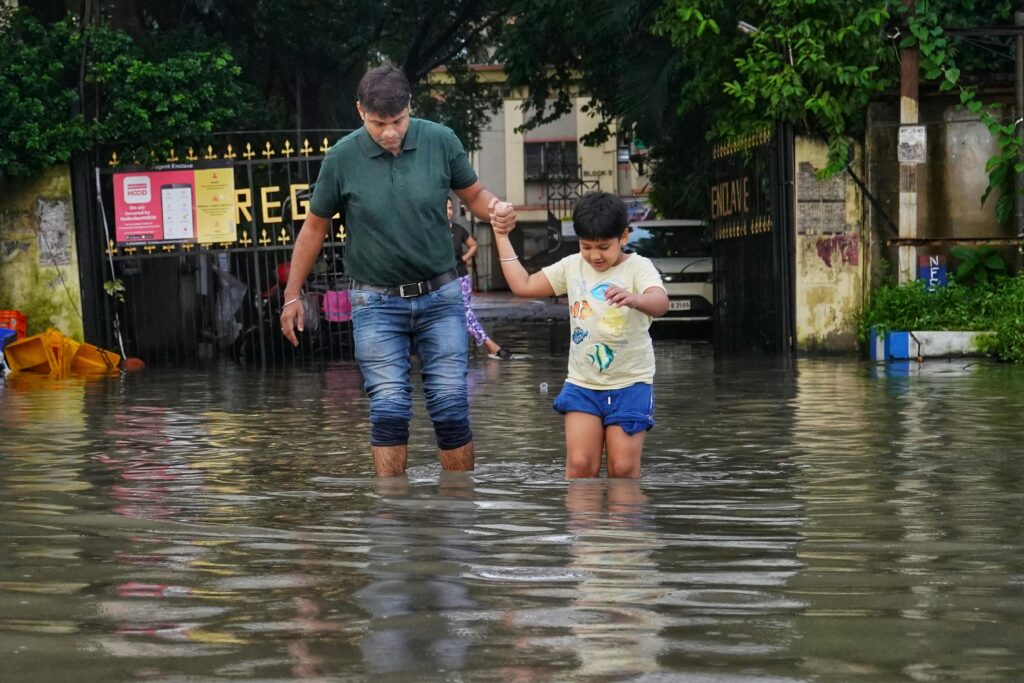
Waterborne Diseases: Increased frequency and intensity of extreme weather events, such as heavy rainfall and flooding, can overwhelm sanitation systems and contaminate water supplies. This leads to outbreaks of waterborne diseases like cholera, giardia, and hepatitis A. Floods can also displace populations, creating crowded living conditions with limited access to clean water, which further exacerbates the spread of these diseases.
Food Security and Nutrition: Climate change affects agricultural productivity through changes in temperature, precipitation, and the frequency of extreme weather events. Crop yields can be severely impacted, leading to food shortages and increased prices. Malnutrition becomes a pressing issue, particularly in vulnerable communities, as access to a variety of nutritious foods diminishes. Additionally, changes in the nutritional quality of crops due to elevated CO2 levels can affect the health of populations.
Mental Health: The psychological impacts of climate change are profound. Experiencing extreme weather events, such as hurricanes, floods, and wildfires, can lead to trauma, anxiety, and depression. The stress of dealing with the aftermath of such events, including property loss and displacement, further compounds mental health challenges. Long-term concerns about the future of the planet can also contribute to chronic stress and a sense of helplessness.

While the health impacts of climate change are daunting, there are steps we can take to mitigate these effects and promote a healthier environment.
Reducing Greenhouse Gas Emissions: One of the most effective ways to combat climate change is to reduce greenhouse gas emissions. This can be achieved through transitioning to renewable energy sources, improving energy efficiency, and adopting sustainable transportation options. Individual actions, such as reducing energy consumption and supporting eco-friendly policies, also play a significant role.
Enhancing Public Health Systems: Strengthening public health systems is essential to respond to the health impacts of climate change. This includes improving disease surveillance, increasing access to healthcare services, and developing early warning systems for extreme weather events. Public health campaigns can raise awareness about the risks and promote preventative measures.
Building Resilient Communities: Communities can be made more resilient to the impacts of climate change through infrastructure improvements, such as enhancing flood defenses and creating green spaces that reduce the urban heat island effect. Community-based adaptation strategies, such as developing local emergency response plans and fostering social cohesion, are also vital.
Promoting Sustainable Agriculture: Implementing sustainable agricultural practices can help secure food supplies and improve nutrition. Techniques such as crop diversification, conservation tillage, and integrated pest management enhance the resilience of farming systems to climate change. Supporting local and organic food production can reduce the carbon footprint of our diets.
Encouraging Mental Health Support: Addressing the mental health impacts of climate change requires accessible mental health services and support systems. Community programs that offer counseling and emotional support, along with public awarenesscampaigns that reduce the stigma around mental health, are crucial. Encouraging open discussions about climate anxiety can also help individuals cope with their concerns.
The health impacts of climate change are far-reaching and interconnected, affecting every aspect of human life. By understanding these impacts and taking proactive steps to address them, we can protect both our health and the health of the planet.
From reducing greenhouse gas emissions to building resilient communities, every action counts in the fight against climate change. So, let’s take a step forward together, toward a healthier, more sustainable future.
Climate change may be one of the biggest challenges of our time, but it’s also an opportunity to create positive change. By embracing sustainable practices and supporting policies that protect our environment, we can ensure a healthier future for generations to come. Remember, every small action makes a difference, and together, we can make a big impact.